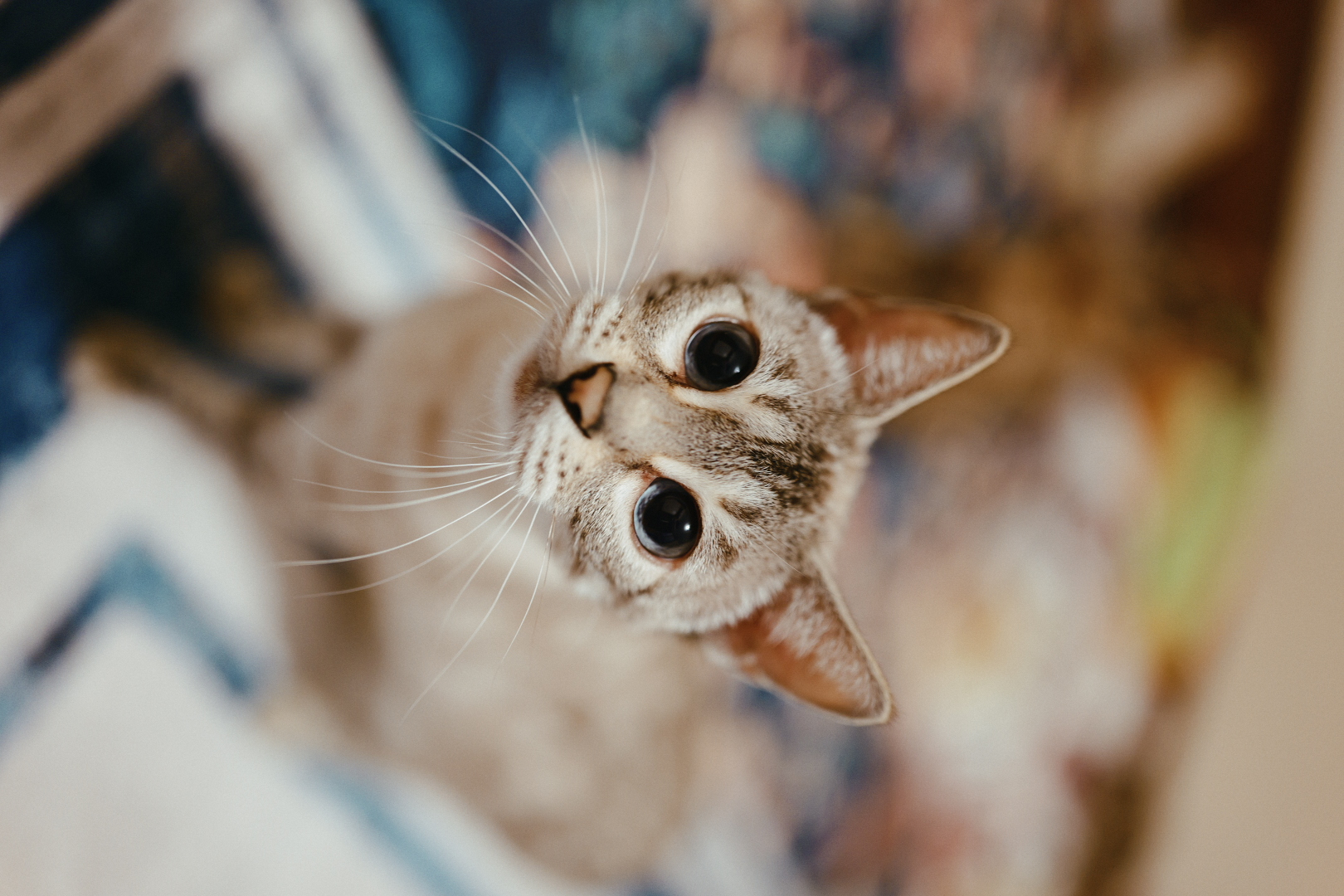
Begin smaller than you think
Prepare one quiet kitten-safe room with food, water, litter, a scratcher, a hiding place, a bed, toys, and familiar items from the breeder. A smaller territory helps a kitten locate resources and learn the sounds and scents of the household without being overwhelmed.
Let the kitten approach at her own pace. Sit on the floor, speak softly, play with a wand toy, and reward brave choices. Hiding at first can be normal. Refusing food, repeated vomiting or diarrhea, breathing difficulty, extreme lethargy, or a sudden decline requires veterinary guidance.
Put health care on the calendar
Arrange a veterinary examination within the first week or within the timeline required by your purchase agreement. Bring the vaccination, deworming, microchip, and health records you received. Ask your veterinarian to review the remaining vaccine and parasite-prevention schedule for your kitten's age and lifestyle.
Keep the new kitten separated from resident pets until your veterinarian has advised you about health testing and introductions. Then exchange scent, feed on opposite sides of a closed door, and move forward in small steps. The goal is calm familiarity, not a dramatic first meeting.
Protect the routine
Start with the same food and litter the kitten already knows. If a change is needed, make it gradually unless your veterinarian directs otherwise. Offer predictable meals, play, rest, and gentle handling rather than packing the first days with visitors.
Kitten-proof cords, strings, plants, recliners, dryers, open windows, and tiny escape spaces. Give legal climbing and scratching choices before the kitten invents her own. Trust grows when the new home is both interesting and safe.