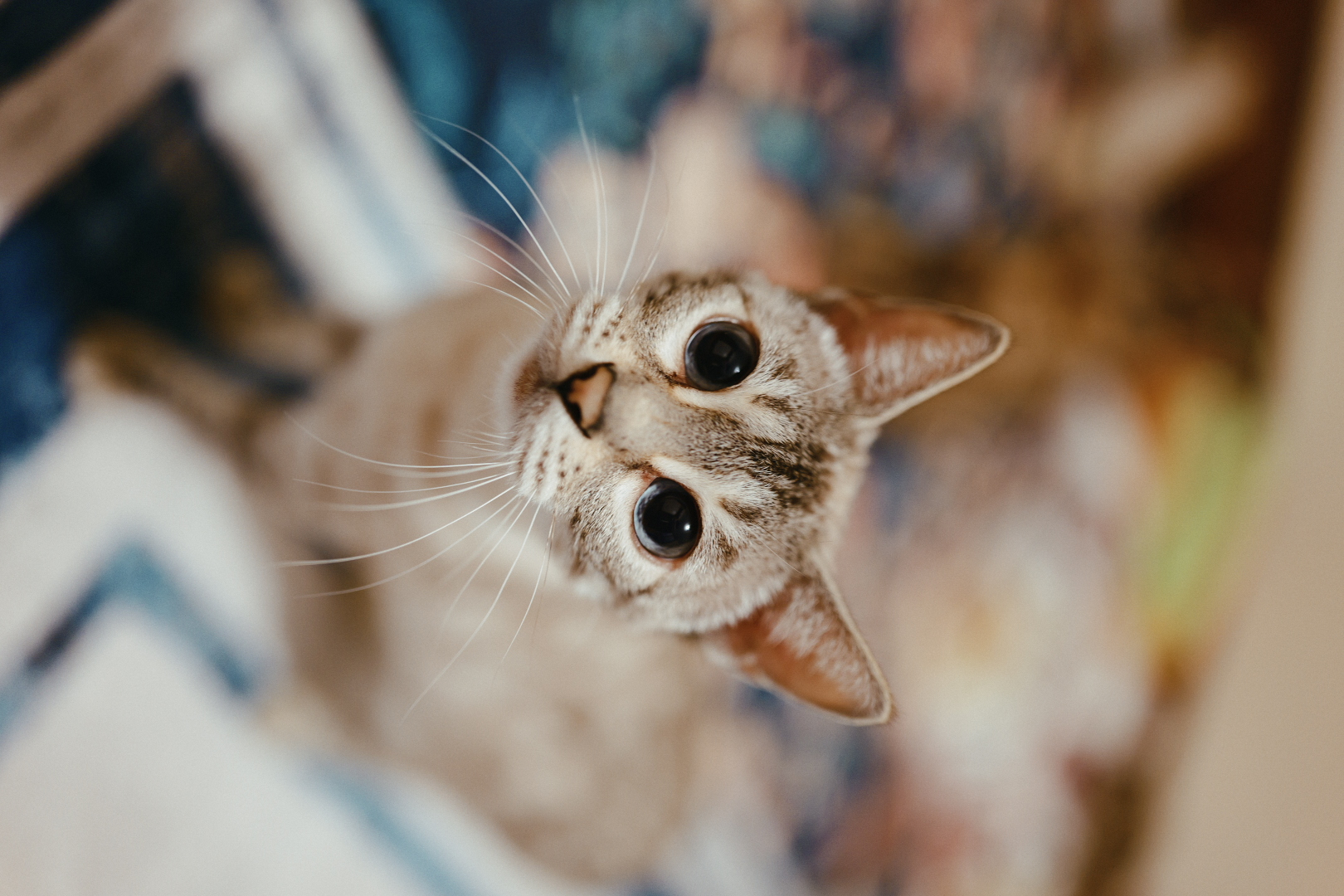
Look beyond the kitten photograph
Ask to see the adult cats, how they live, and how the kittens are raised. A responsible breeder should discuss temperament honestly, explain the breed's activity and enrichment needs, and care whether your household suits the individual kitten.
Registration is useful, but it is not a complete welfare inspection or a guarantee of quality. Verify the cattery and pedigree claims, then keep asking about health, daily care, placement age, socialization, contracts, and lifetime responsibility.
Ask for documents, not slogans
For Bengals, ask for the parents' identity-linked PKDef and PRA-b DNA results and appropriately timed HCM echocardiograms. Ask who performed each test, when it was completed, and what the result means. A good breeder should be comfortable showing the record and explaining any carrier status or breeding decision.
Read the sales agreement and health guarantee before paying a deposit. Confirm veterinary care, vaccination records, spay or neuter terms, registration, return obligations, what happens if the placement fails, and which promises are actually written.
Notice how the breeder behaves
Pressure, secrecy, endless immediate availability, refusal to show adults or documentation, and payment urgency are reasons to slow down. So are kittens offered too young, vague shipping arrangements, stock photographs, and a seller who has no questions about your home.
A responsible breeder may ask detailed questions because placement is not a one-way sale. Expect mutual evaluation, clear boundaries, time to review documents, and a plan for the cat if life changes years later.